EnMS: what an Energy Management System is and how it works
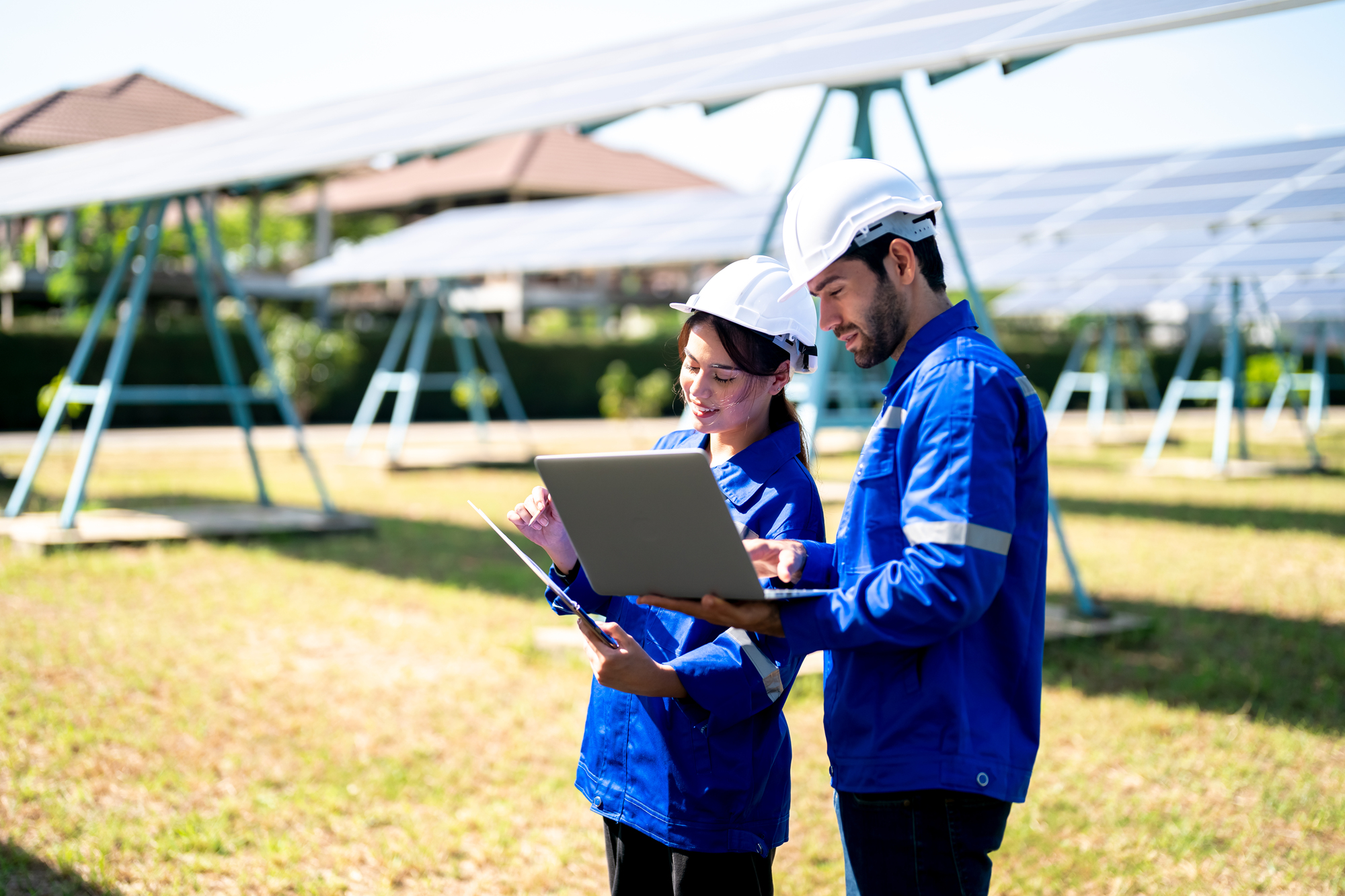
Ingenieros examinando una instalación de paneles solares para evaluar su gestión y desempeño energético

Un SGEn (Sistema de Gestión de la Energía) permite medir, controlar y mejorar de forma continua el desempeño energético de una organización. Conoce ISO 50001, EnPI, líneas base y su diferencia frente a EMS y auditorías energéticas.

SCADA: what it is and how it works in an energy asset

Técnico apuntando a una pantalla con tablas y gráficos de datos de un sistema SCADA

SCADA (Supervisory Control and Data Acquisition) es el sistema que supervisa, registra y permite controlar activos energéticos. Conoce su arquitectura, protocolos, aplicaciones y diferencias frente a EMS, BMS, PLC y PPC.

Utility Scale: what it means and how a large-scale energy project works

Proyecto Utility Scale de generación energética a gran escala conectado a la red eléctrica

Agri-PV combines solar photovoltaic generation with agriculture or livestock farming on the same plot of land. Find out how it works, the main types of agri-PV systems, which crops and animals can be integrated, and what benefits it brings to land use and energy production.

Agrivoltaics: what it is, how it works, and which crops and livestock can be integrated

Agrivoltaic system with solar panels integrated into agricultural or livestock land

Agri-PV combines solar photovoltaic generation with agriculture or livestock farming on the same plot of land. Find out how it works, the main types of agri-PV systems, which crops and animals can be integrated, and what benefits it brings to land use and energy production.

CAPEX: what it is and what it includes in a renewable energy project

Representative image of CAPEX showing money in the foreground and a renewable energy installation in the background

CAPEX is the initial investment required to develop, construct and commission an energy project. In the energy sector, it includes equipment, civil engineering works, electrical infrastructure, engineering and other capital costs essential to the asset’s viability.

Energy self-consumption: what it is, how it works and the different types

Self-consumption system with photovoltaic solar panels to generate renewable electricity

Self-consumption enables the generation of electricity to meet all or part of the energy needs of a home, business or industrial facility. Find out how it works, the differences between individual and collective self-consumption, the options with and without surplus electricity, and the main technologies used.

PPA: what is a Power Purchase Agreement and what types exist in the renewable energy sector?

Two professionals shaking hands during a renewable energy PPA agreement

A PPA (Power Purchase Agreement) is a medium- or long-term contract for the sale and purchase of electricity between a generator and a buyer. In the renewable energy sector, it can be structured as a physical, virtual, financial, on-site, off-site or sleeved PPA, depending on the method of delivery, settlement and location of the asset.