Agrivoltaics: what it is, how it works, and which crops and livestock can be integrated

Agrivoltaic system with solar panels integrated into agricultural or livestock land

Agri-PV combines solar photovoltaic generation with agriculture or livestock farming on the same plot of land. Find out how it works, the main types of agri-PV systems, which crops and animals can be integrated, and what benefits it brings to land use and energy production.

Net Metering: what it is and how net energy metering works

A businessman holding a piggy bank next to solar panels, symbolising savings and investment through net metering

Net metering is a compensation system that allows for the accounting of energy consumed from the grid and the surplus renewable electricity that a facility feeds back into it. It is a key mechanism for self-consumption and distributed generation.

NOCT (TONC): what it is and how it affects photovoltaic performance

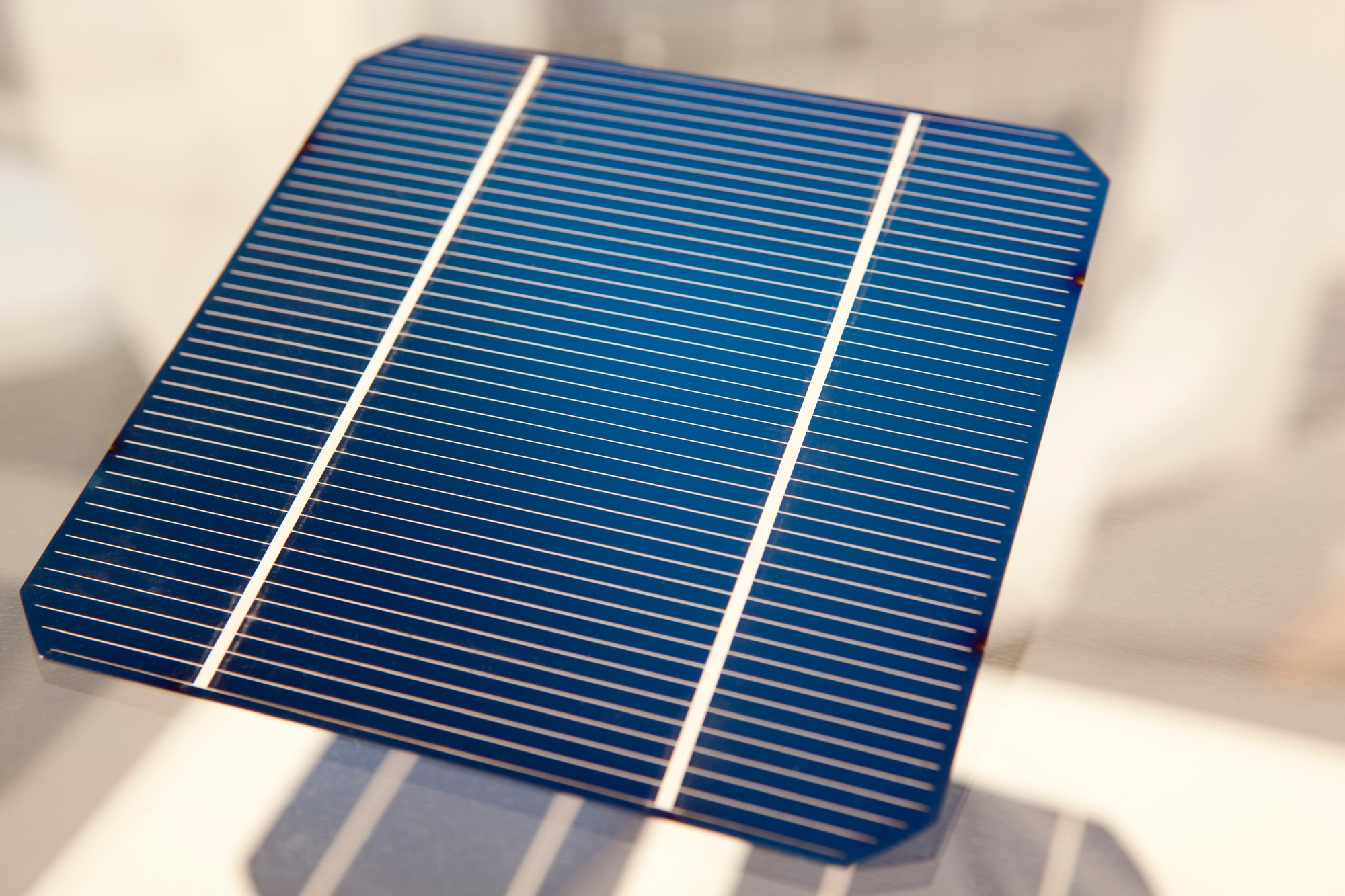
Detalle de una célula solar en un módulo fotovoltaico para representar el parámetro NOCT

The NOCT, or TONC in Spanish, indicates the nominal operating temperature of a photovoltaic cell under reference conditions. This parameter provides a better understanding of the module’s thermal behaviour and its impact on the power output and actual performance of a solar installation.

Solar tracker: what it is, how it works and its importance in a photovoltaic plant

A single-axis solar tracker that orients photovoltaic panels to maximise solar energy production at a photovoltaic plant.

A solar tracker is a smart structure that orients photovoltaic panels to follow the sun’s path in order to maximise energy production. Find out how it works, what types are available and why it has become a key technology in large-scale solar power stations.