Energy self-consumption: what it is, how it works and the different types
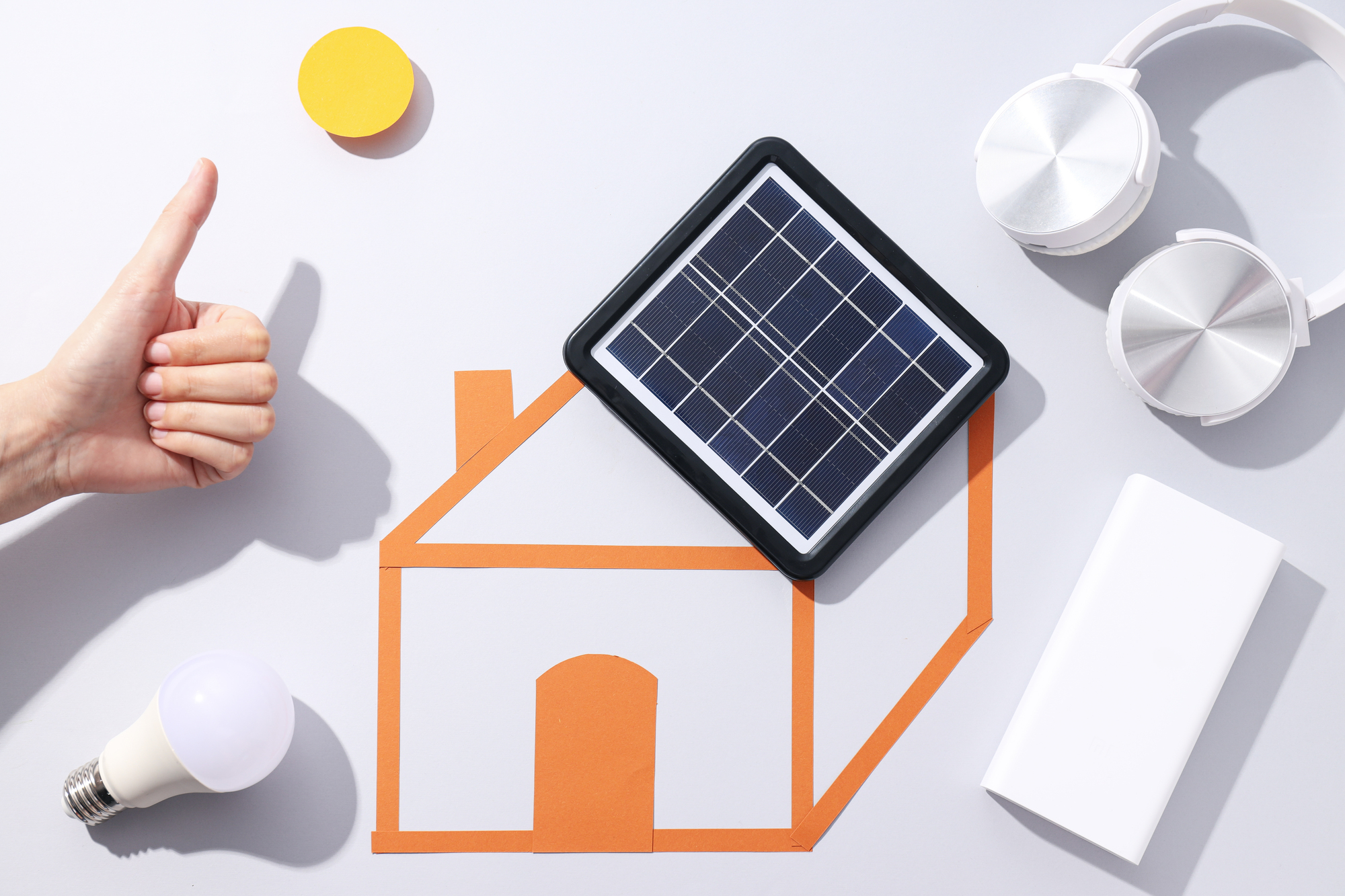
Self-consumption system with photovoltaic solar panels to generate renewable electricity

Self-consumption enables the generation of electricity to meet all or part of the energy needs of a home, business or industrial facility. Find out how it works, the differences between individual and collective self-consumption, the options with and without surplus electricity, and the main technologies used.

Net Metering: what it is and how net energy metering works

A businessman holding a piggy bank next to solar panels, symbolising savings and investment through net metering

Net metering is a compensation system that allows for the accounting of energy consumed from the grid and the surplus renewable electricity that a facility feeds back into it. It is a key mechanism for self-consumption and distributed generation.

Peak Shaving: what it is and how it reduces peaks in electricity demand

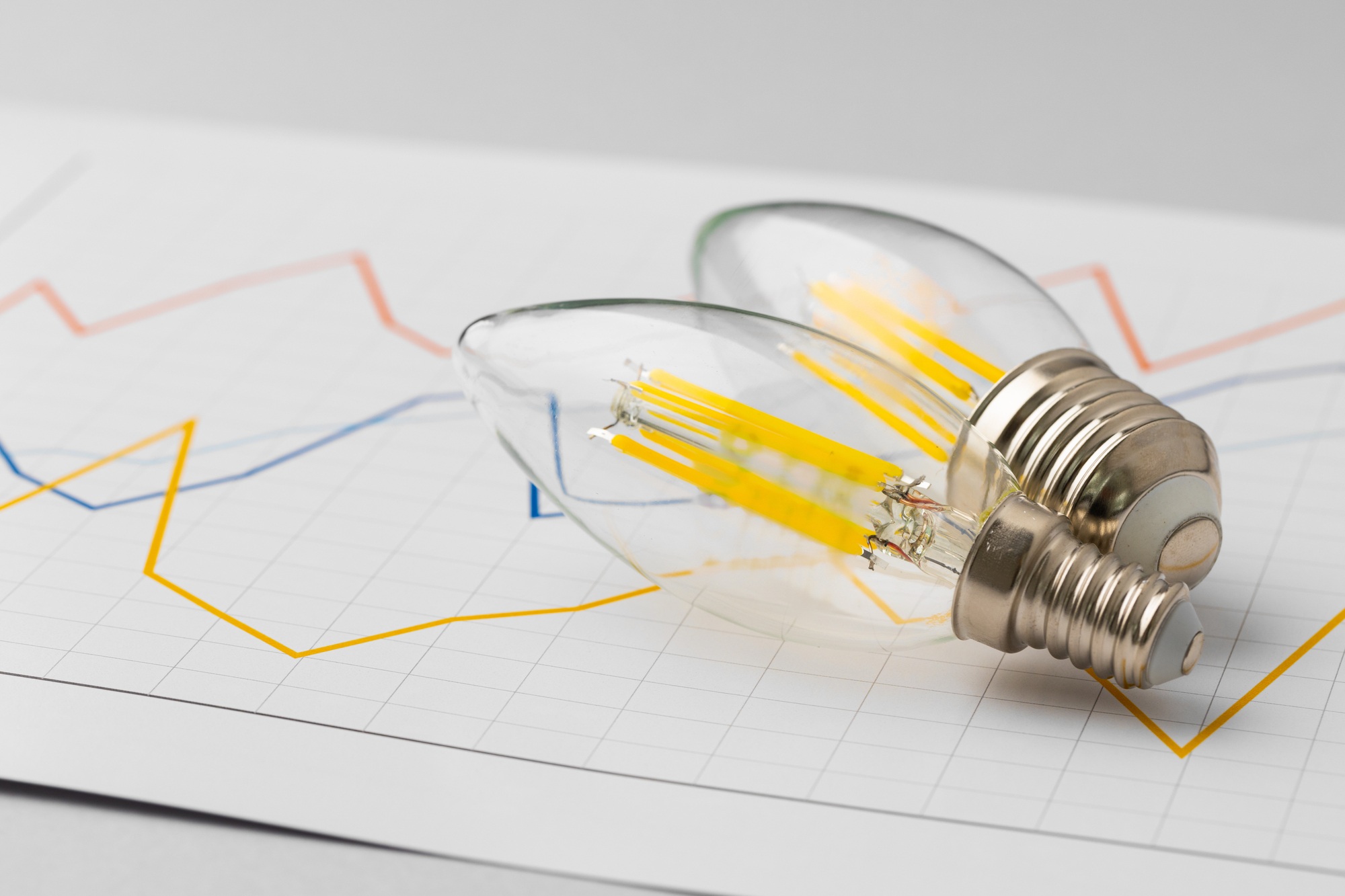
LED bulbs on an electricity demand graph illustrating energy consumption management and the peak shaving strategy.

Peak shaving is an energy management strategy that reduces peaks in electricity demand using BESS systems, distributed generation and smart control platforms. Find out how it works, its main applications and the benefits it brings to industries, buildings and renewable energy plants.